SénégalSenegal
L'île de Gorée, petite île et grande mémoireGorée Island, a small island with a long memory
À vingt minutes de bateau de Dakar, une petite île sans voitures, aux maisons colorées, garde la mémoire d'une page douloureuse de l'histoire.Twenty minutes by boat from Dakar, a small car-free island with colourful houses keeps the memory of a painful chapter of history.
Une île sans voitures
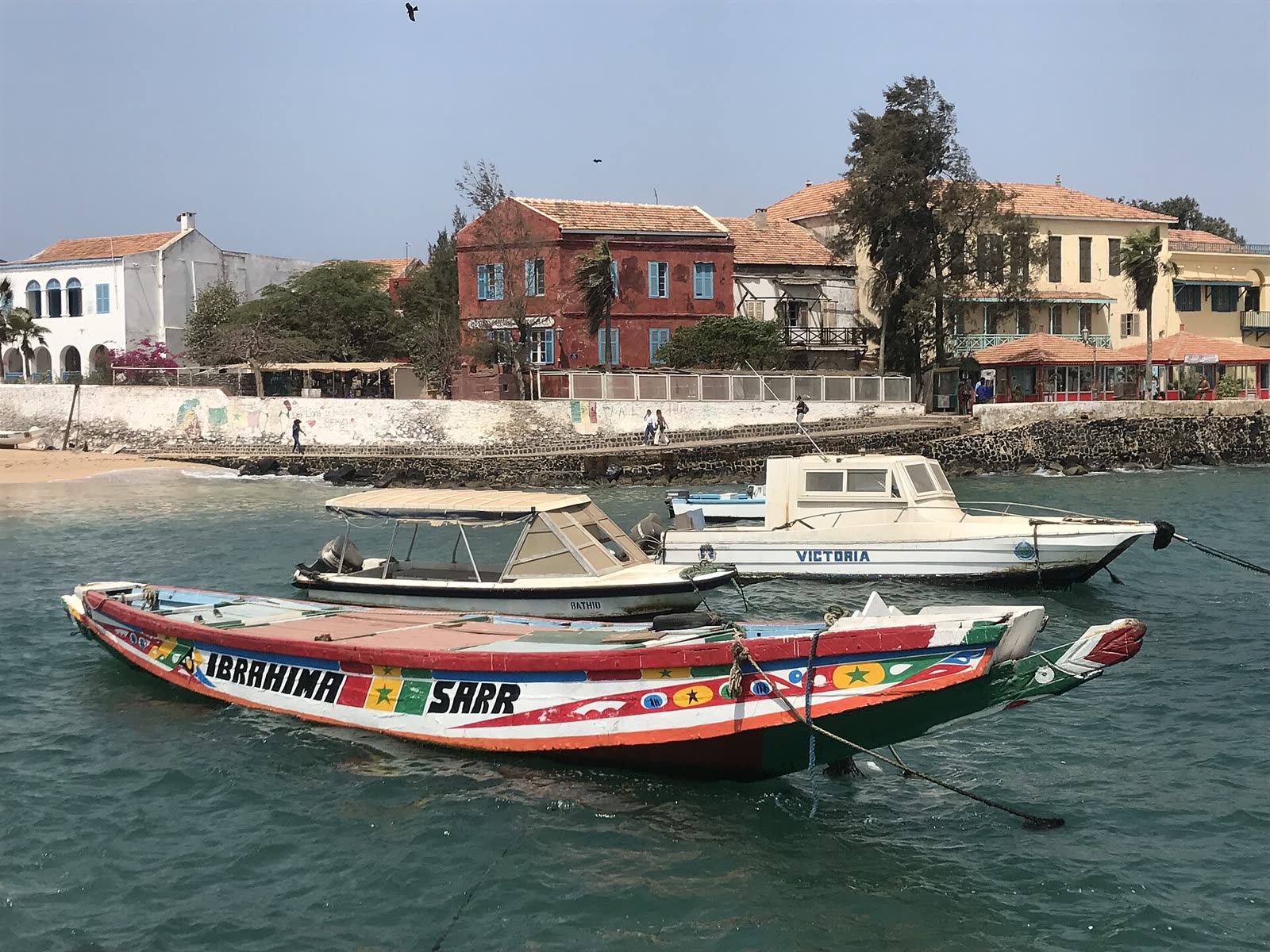
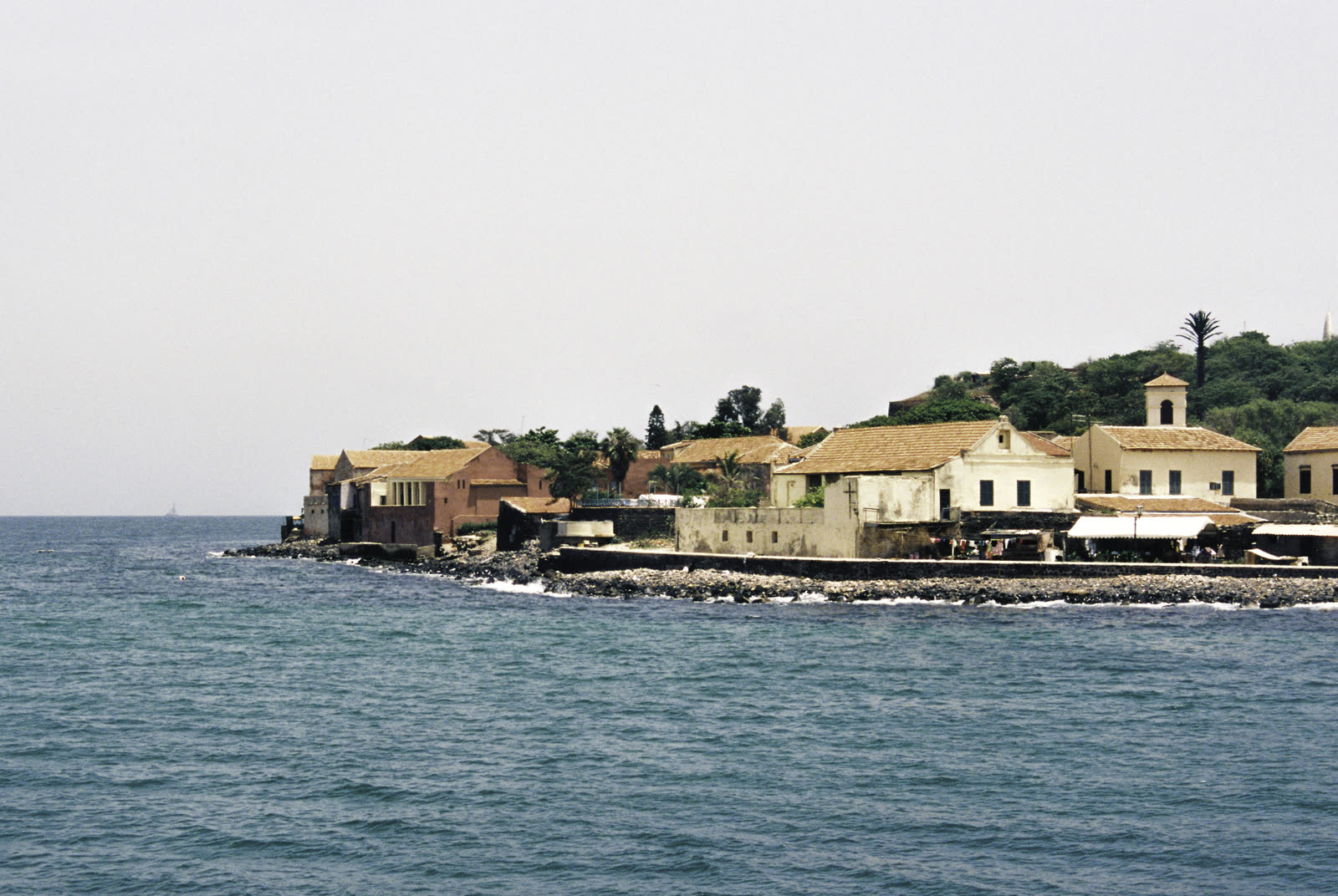
Au large de Dakar, la capitale du Sénégal, l'île de Gorée est si petite qu'on en fait le tour à pied : environ 900 mètres de long et 300 mètres de large. Ici, pas de voitures : on se promène dans des ruelles de sable, entre des maisons ocre, roses et jaunes couvertes de bougainvilliers.
On y arrive en chaloupe, le bateau qui part du port de Dakar. La traversée dure une vingtaine de minutes.
Un lieu de mémoire
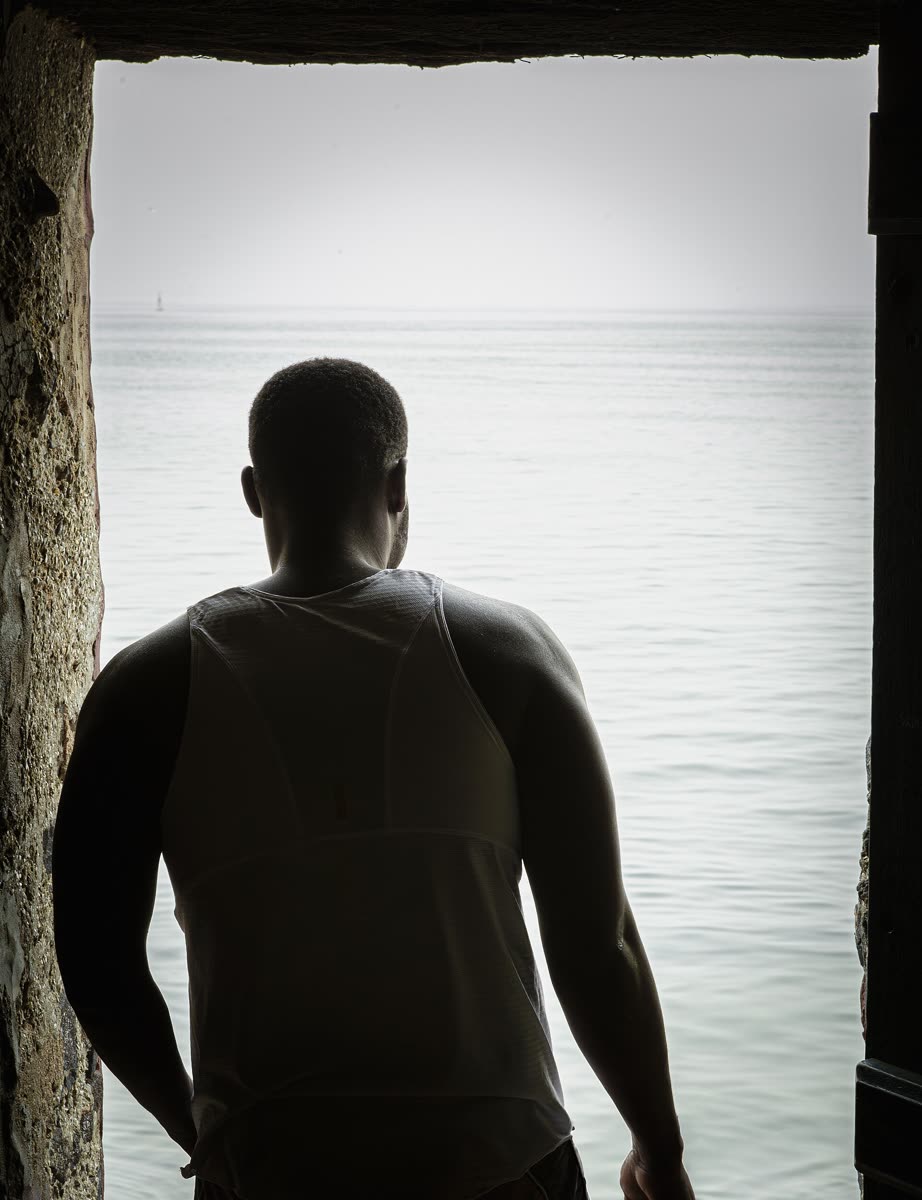
Du XVe au XIXe siècle, Gorée a été l'un des lieux de la traite des esclaves sur la côte africaine. La Maison des Esclaves, construite à la fin du XVIIIe siècle, est aujourd'hui un musée. Sa célèbre porte du voyage sans retour ouvre directement sur l'océan.
En 1978, Gorée a été l'un des tout premiers sites inscrits au patrimoine mondial de l'UNESCO. On vient ici pour se souvenir, et pour que cette histoire ne se répète jamais.
Que voir sur l'île ?
- La Maison des Esclaves et sa porte face à l'océan.
- Le Castel, la colline au sud de l'île, avec sa vue sur Dakar.
- Les artistes qui peignent et exposent dans les ruelles.
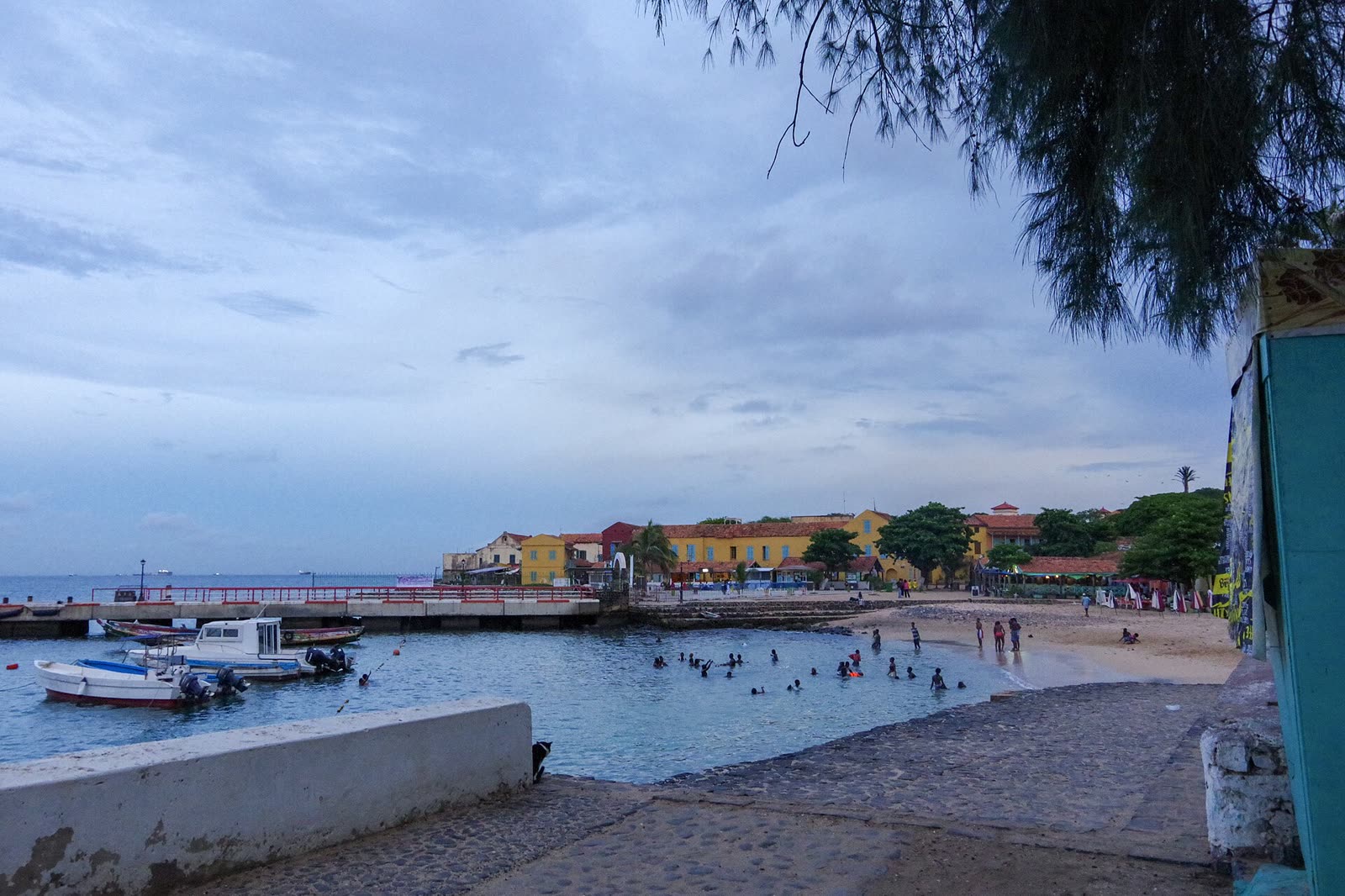
- La petite plage près du débarcadère, où les enfants de l'île se baignent.
Pour les explorateurs en herbe
Prends le temps d'en parler avant la visite : c'est un lieu émouvant. Puis, dans ton livre Africa, retrouve le Sénégal, colorie son drapeau vert, jaune et rouge à l'étoile verte, et cherche Dakar sur la carte !
An island without cars
Off the coast of Dakar, the capital of Senegal, Gorée Island is so small that you can walk all the way round it: about 900 metres long and 300 metres wide. There are no cars here: you stroll along sandy lanes, between ochre, pink and yellow houses covered in bougainvillea.
You get there by ferry (the chaloupe), which leaves from the port of Dakar. The crossing takes about twenty minutes.
A place of remembrance
From the 15th to the 19th century, Gorée was one of the places of the slave trade on the African coast. The House of Slaves, built at the end of the 18th century, is now a museum. Its famous Door of No Return opens straight onto the ocean.
In 1978, Gorée was among the very first sites added to the UNESCO World Heritage List. People come here to remember, so that this history is never repeated.
What to see on the island
- The House of Slaves and its door facing the ocean.
- The Castel, the hill at the south of the island, with its view of Dakar.
- The artists who paint and exhibit their work in the lanes.
- The little beach near the landing stage, where the island's children swim.
For young explorers
Take time to talk about it before the visit: it is a moving place. Then, in your Africa book, find Senegal, colour its green, yellow and red flag with its green star, and look for Dakar on the map!
En imagesIn pictures
Dans le livre AfricaIn the Africa book
Pars explorer : SénégalGo and explore Senegal
Trace ses frontières, colorie son drapeau et place-le sur ta carte d'explorateur.Trace its borders, colour its flag and mark it on your explorer map.
D'autres voyagesMore journeys
-
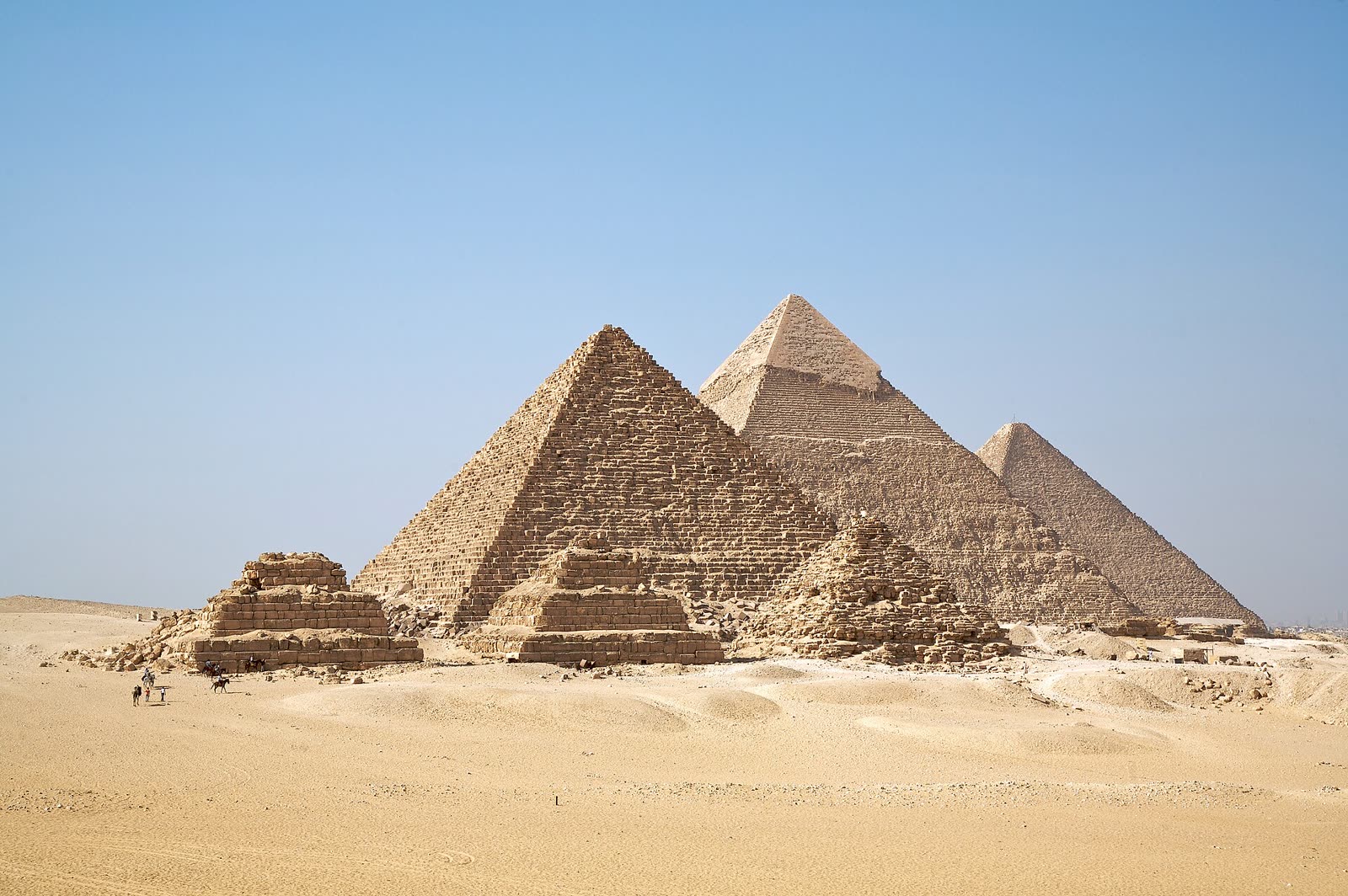
ÉgypteEgypt
Les pyramides de Gizeh, 4 500 ans au bord du désertThe pyramids of Giza, 4,500 years at the edge of the desert
Aux portes du Caire, trois pyramides et un sphinx veillent sur le désert depuis plus de 4 500 ans. Visite de la seule des Sept Merveilles du monde antique encore debout.On the edge of Cairo, three pyramids and a sphinx have watched over the desert for more than 4,500 years. A visit to the only Wonder of the Ancient World still standing.
Lire l'articleRead the article -
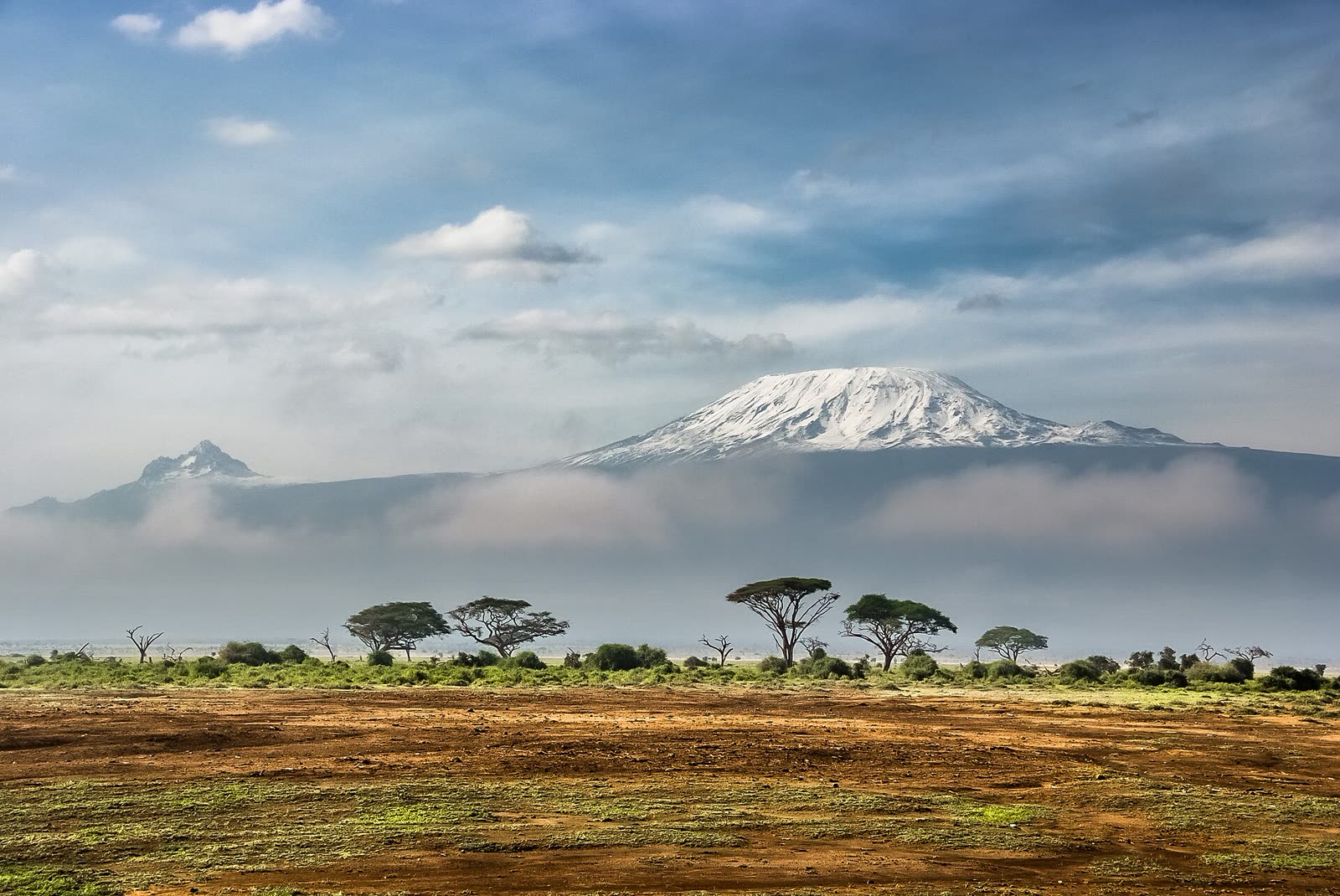
TanzanieTanzania
Le Kilimandjaro, le toit de l'AfriqueKilimanjaro, the roof of Africa
Avec ses 5 895 mètres, le Kilimandjaro est la plus haute montagne d'Afrique : un volcan endormi qu'on gravit de la forêt tropicale jusqu'aux glaciers.At 5,895 metres, Kilimanjaro is Africa's highest mountain: a sleeping volcano you climb from the rainforest all the way up to the glaciers.
Lire l'articleRead the article